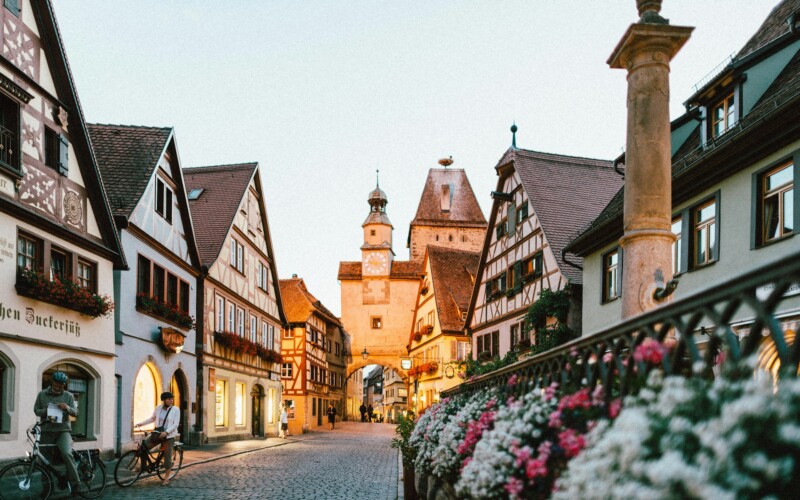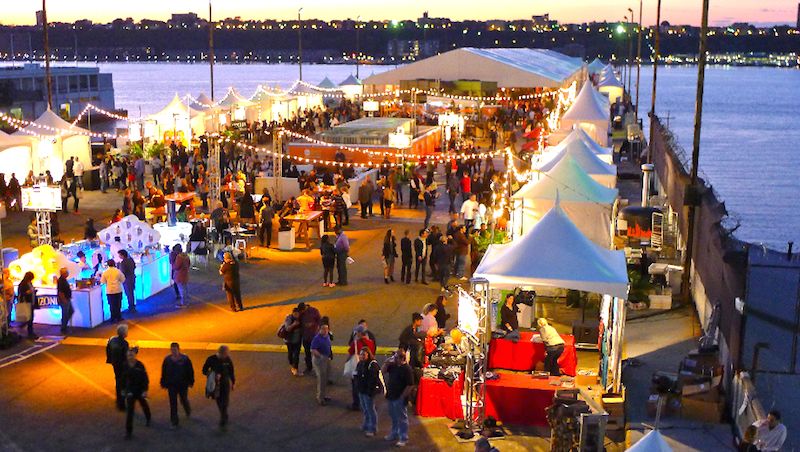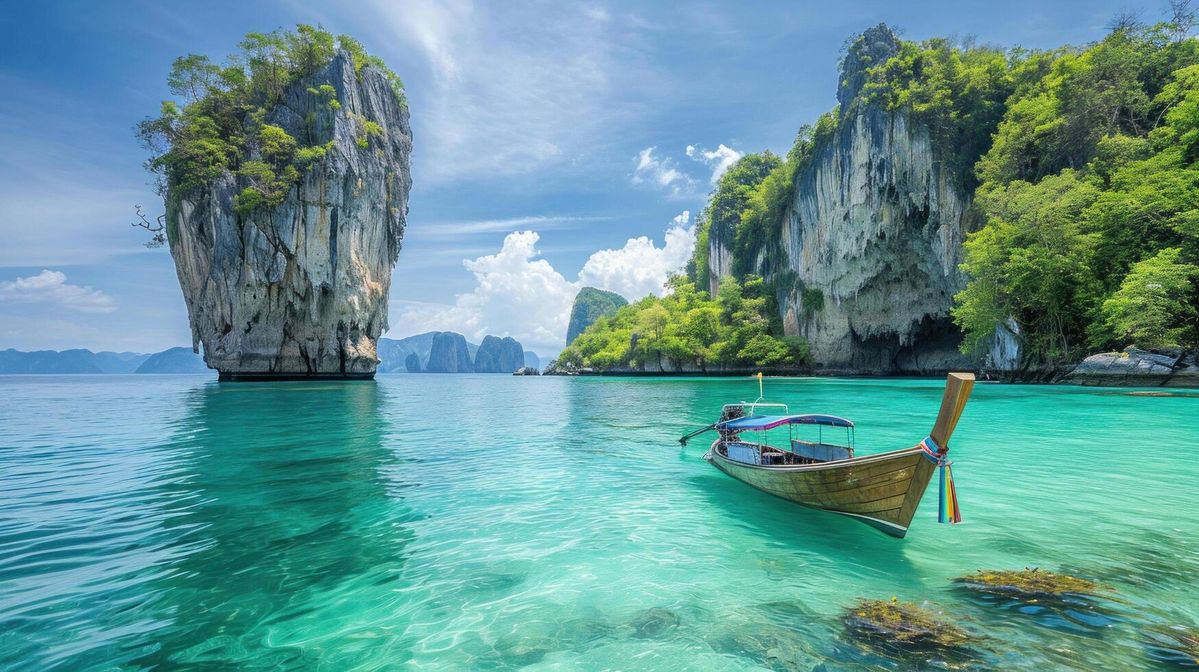
Surrendering the map often reveals a deeper intimacy with place than the most carefully constructed itinerary.
The Illusion of Control
Modern travel is engineered for efficiency. Routes are pre-saved, restaurants bookmarked, neighbourhoods mapped in advance. We land in unfamiliar cities armed with digital certainty, determined to optimise every hour. There is comfort in this precision. It reduces uncertainty and promises productivity. Yet in scripting each movement, we risk transforming exploration into execution. When every turn is anticipated, surprise becomes scarce. Travel becomes a sequence of confirmations rather than discoveries
When Direction Dissolves
To get lost is to momentarily relinquish authority. It may begin with a wrong turn or an overlooked street sign, but it quickly evolves into something subtler. Without a clear destination, attention sharpens. We notice the texture of buildings, the cadence of footsteps around us, the shift in atmosphere from one block to the next. Disorientation heightens perception. Instead of moving toward a landmark, we move through a place. The city ceases to be a checklist and becomes a living environment that unfolds unpredictably.
There is vulnerability in this state. Not knowing where you are can feel destabilising, even inconvenient. Yet it also creates intimacy. Asking a local for directions initiates an unscripted exchange. Wandering into an unplanned café leads to an uncurated experience. The absence of certainty opens space for participation rather than consumption.
The Beauty of Unplanned Encounters
Some of the most memorable travel moments occur when intention loosens. A narrow alley reveals unexpected street art. A quiet square hosts an impromptu performance. A residential street, absent from guidebooks, offers a glimpse into daily life untouched by tourism. These discoveries carry a different emotional texture because they were not anticipated. They feel earned, even accidental, and therefore uniquely personal.
Getting lost also recalibrates pace. Without the pressure of reaching a specific site, time expands. We linger. We observe. We allow curiosity to dictate direction rather than obligation. In doing so, we engage with place on its own terms rather than imposing our own agenda.
Where the Map Ends
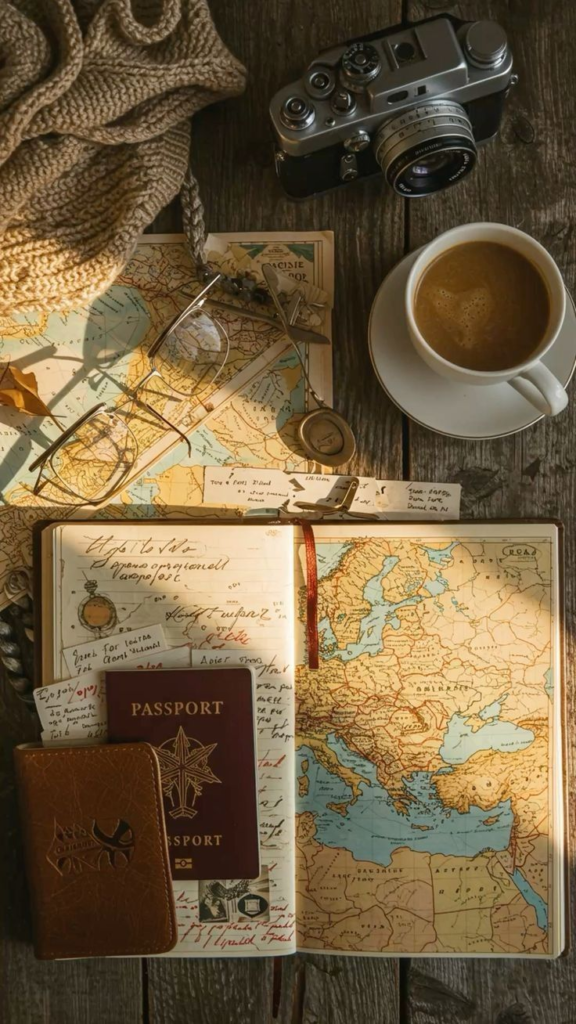
The romance of getting lost lies not in confusion but in surrender. It reminds us that travel is not merely about arrival. It is about openness. Maps provide orientation, but wandering cultivates awareness. When we allow ourselves to deviate from the planned route, we invite unpredictability back into the experience.
Long after returning home, it is rarely the flawlessly executed schedule that lingers. It is the street we stumbled upon by mistake. The conversation sparked by a request for help. The quiet moment of standing still, unsure of direction yet fully present. In losing our way, we often find a deeper understanding of where we are.