Inside Europe’s castles, splendour was often reserved for ceremony, while everyday life unfolded in cold corridors, strict hierarchies, and the quiet labour required to sustain power.
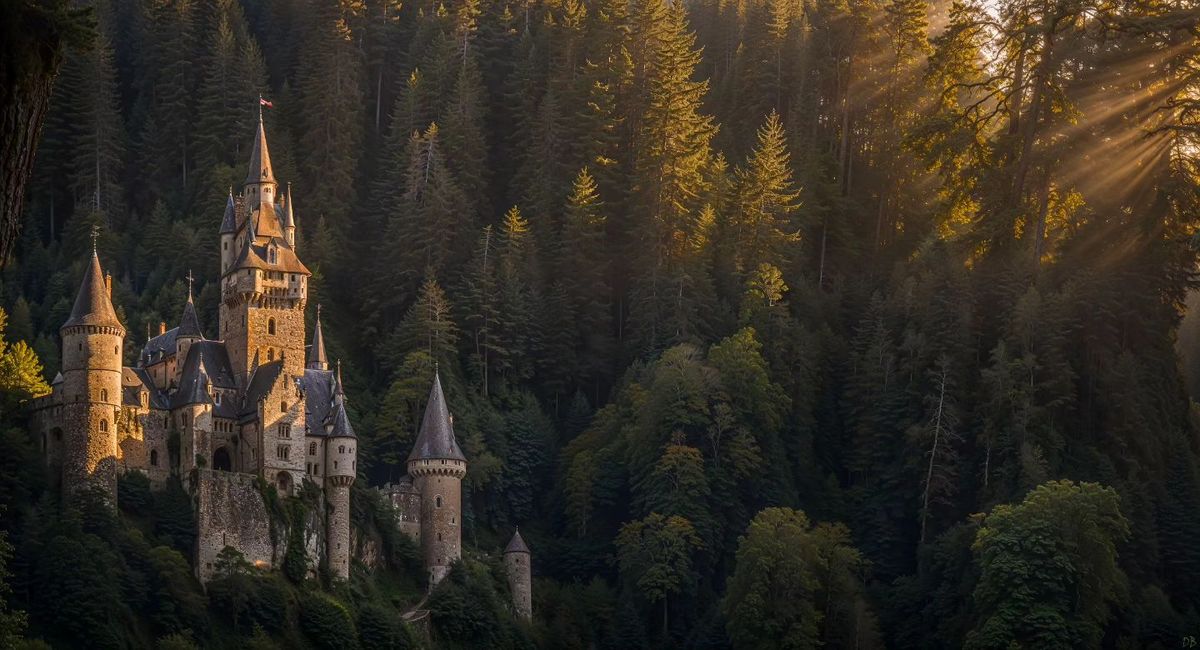
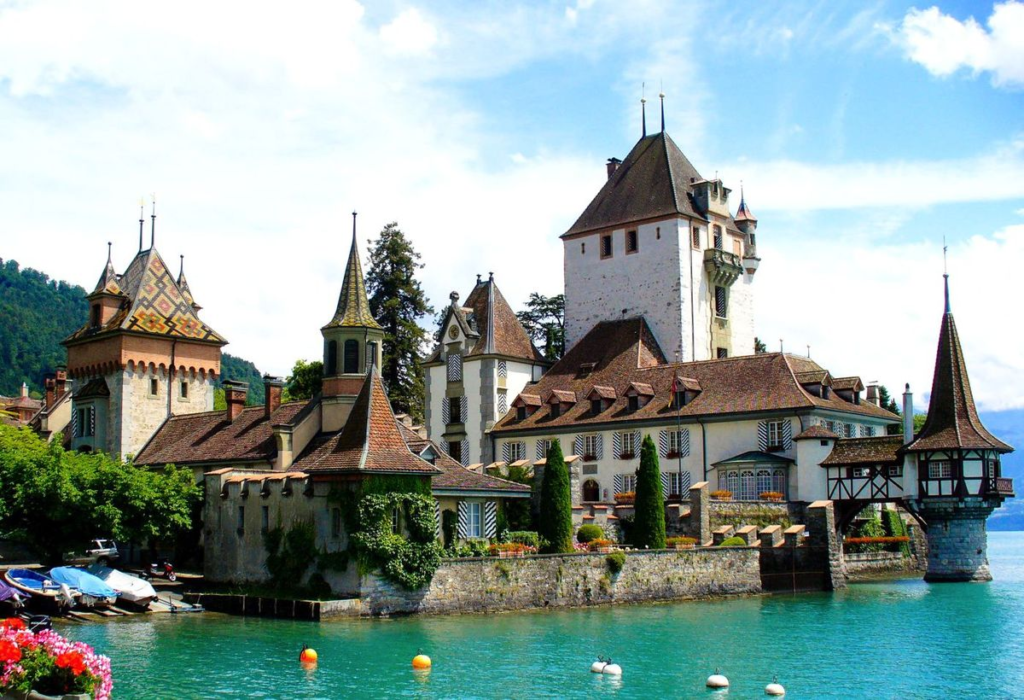
Across Europe, castles continue to dominate skylines and imaginations alike. Perched on hills or reflected in still lakes, they appear composed and theatrical, as though designed for legend. Visitors walk through great halls and climb towers with a sense of inherited romance. Yet the lived reality within these walls was far more practical, and often far less comfortable, than modern storytelling suggests.
Built for Defence, Not Comfort
The earliest castles were strategic structures before they were residences. In regions such as Normandy and Castile, fortifications were designed to secure territory, protect trade routes, and project authority. Thick stone walls, narrow arrow slits, and elevated keeps were calculated responses to threat rather than aesthetic choices. Security determined design.
Even in later examples like Windsor Castle, which gradually evolved into a royal residence, comfort remained secondary to durability. Stone interiors retained dampness. Heating relied on large fireplaces that warmed only immediate surroundings. Windows were small to preserve structural strength and insulation. During winter months, heavy tapestries were hung not purely for decoration but to reduce drafts. The grandeur that visitors admire today often masked a persistent physical austerity.
A Structured and Stratified World
Castle life revolved around hierarchy. At the top stood the ruling family, whose private chambers were positioned for both security and symbolic prominence. Below them operated a network of officials and workers who maintained the estate’s daily functioning. Stewards oversaw finances, guards managed security, cooks prepared food for both nobility and staff, and artisans repaired tools and weapons.
Privacy, as understood today, was limited. Shared sleeping quarters were common among servants, and even noble households were rarely solitary. The castle functioned as a contained community governed by rigid social codes. Movement within its walls reflected rank. Access to certain rooms, light, and even forms of leisure reinforced authority.
Architecture itself communicated power. Elevated halls signalled status. Inner courtyards separated layers of access. Every structural decision carried political meaning.
The Labour Behind the Image
The smooth stone façades that now attract millions of visitors required constant upkeep. Roofs demanded repair after harsh weather. Wells and food stores had to sustain inhabitants during sieges. In fortified cities such as Carcassonne, survival depended on coordination and resource management over extended periods.
Daily life involved work that was repetitive and essential. Armour had to be maintained, animals fed, fires tended, and provisions preserved. Even ceremonial occasions relied on preparation that was largely invisible. What appears today as pageantry was underpinned by routine discipline and manual effort.
Despite these realities, castles continue to hold emotional power. Structures like Neuschwanstein Castle, though built later and inspired by medieval ideals, reinforce the fairytale image that shapes popular imagination. Their towers and terraces invite projection.
Yet understanding castles as instruments of governance rather than fantasy settings does not diminish their appeal. Instead, it grounds admiration in context. They reveal how societies organised authority, defended territory, and structured daily life within confined spaces. Their endurance across centuries reflects not only aesthetic strength but functional resilience.
To look at a castle, then, is to see both spectacle and system. Behind the stone lies a world defined less by enchantment than by endurance. Recognising that complexity allows the grandeur to feel earned rather than imagined.