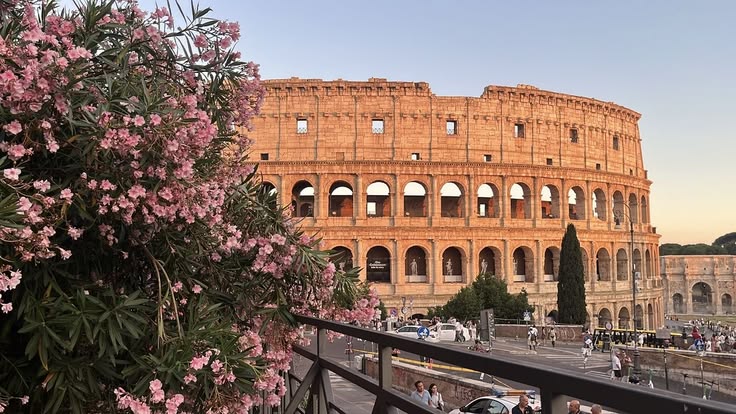
Rome offers more than a collection of historic landmarks. It presents a living narrative shaped by centuries of civilisation. European travellers often arrive with a checklist mindset, focused on major attractions and quick visits. Yet the true value of exploring heritage in Rome lies in immersion. The city does not separate past from present. Ancient structures stand alongside modern life, creating a continuous experience rather than isolated moments. Walking through Rome feels less like observing history and more like participating in it. This distinction transforms a standard trip into a deeper cultural journey, where every street and structure contributes to a broader understanding of time and place
Landmarks That Define the Foundation of Rome
The architectural core of Rome provides a direct connection to its past. The Colosseum represents the scale and ambition of ancient engineering, while the Roman Forum reveals the structure of civic life that once defined the empire. Nearby, the Pantheon continues to impress with its enduring design and precision. Within Vatican City, landmarks such as St. Peter’s Basilica showcase artistic and spiritual heritage at an unmatched level. These sites require more than brief visits. Time and context are essential. Guided tours and early entry hours allow travellers to engage with these spaces without distraction, making each visit more meaningful and memorable.
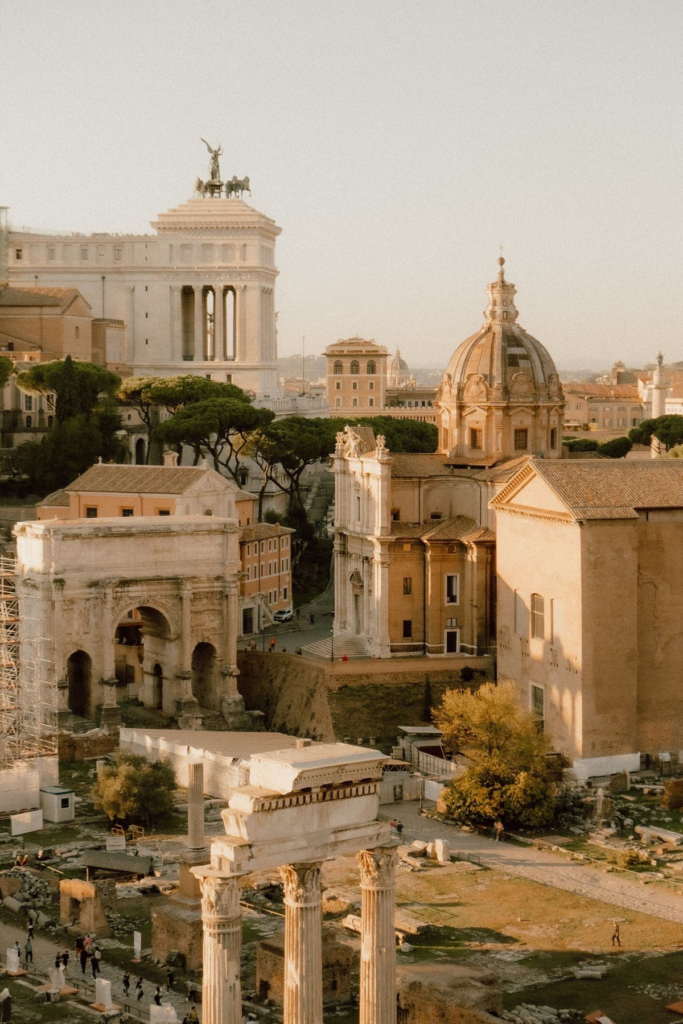
The ObvioBeyond us, Discovering Rome’s Subtle Layers
Rome’s depth extends far beyond its most recognised attractions. The Trevi Fountain, often crowded during peak hours, reveals a quieter and more reflective atmosphere when visited early or late in the day. The Appian Way offers a contrasting experience, where travellers can step away from the city’s intensity and explore preserved pathways that once connected the empire. Wandering through lesser known streets introduces hidden churches, local cafés, and everyday scenes that reflect Rome’s ongoing story. These unplanned discoveries often create stronger impressions than scheduled visits. They allow travellers to experience heritage as part of daily life rather than as a staged attraction.
The Role of Food, Pace, and Perspective in the Experience
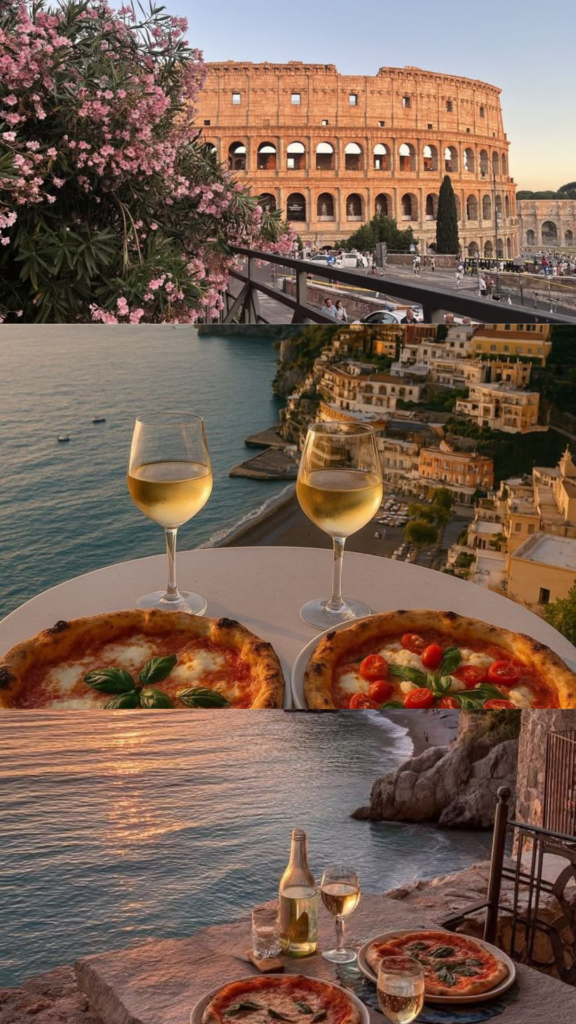
Cultural exploration in Rome extends into its culinary traditions. Dishes such as Carbonara, Cacio e Pepe, and Amatriciana reflect a history shaped by simplicity and regional identity. Dining becomes part of the heritage experience, offering insight into local customs and social rhythms. The defining factor, however, is pace. European travellers who slow their itinerary gain a more complete understanding of the city. Time spent observing, walking, and engaging with surroundings creates a stronger connection than rapid sightseeing. Exploring heritage in Rome is not about completing a list of attractions. It is about allowing the city to unfold gradually, revealing its character through moments that remain long after the journey ends.