Across continents, culinary festivals turn ordinary streets into immersive experiences, offering insight into culture, tradition, and the pulse of urban life.
Streets Transformed
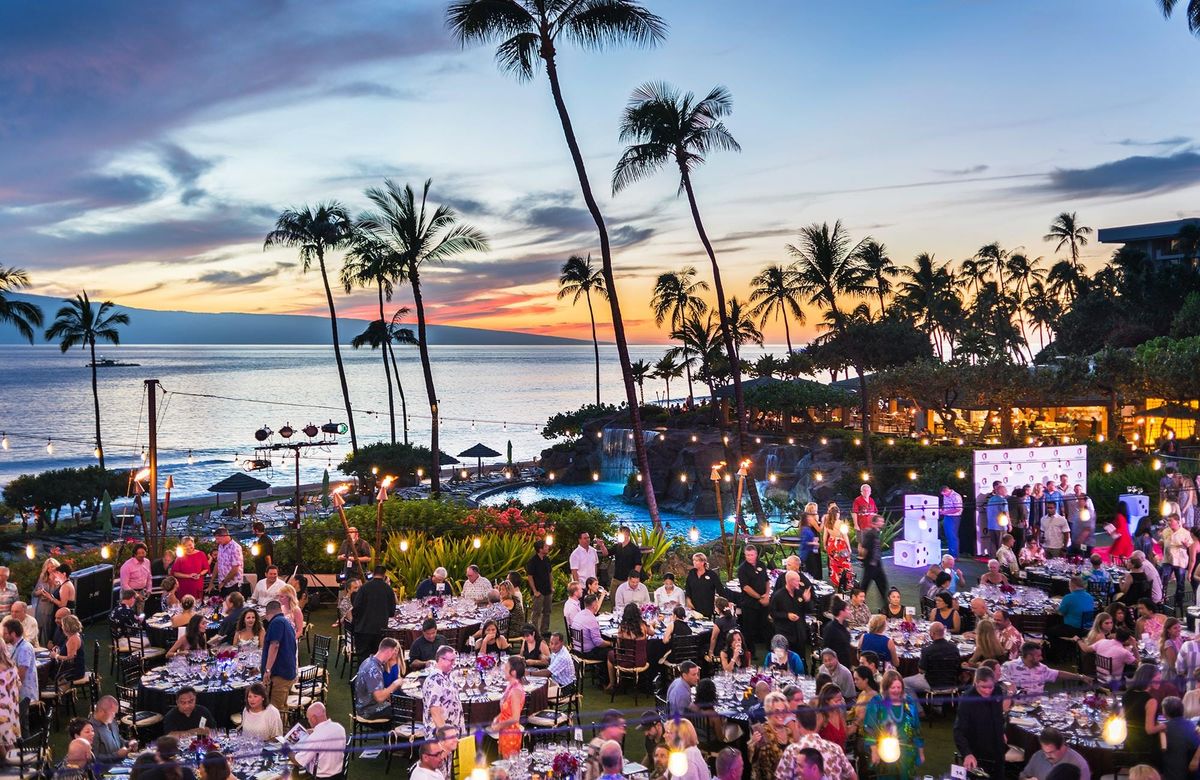
Culinary festivals have a unique ability to temporarily transform cities into living stages of culture and flavour. Streets, squares, and public spaces are no longer just transit routes; they become arenas of taste, colour, and celebration. For travellers, these festivals offer a rare chance to witness a city at its most vibrant, where food, ritual, and community converge in a single, immersive experience.In Buñol, Spain, La Tomatina is more than a tomato fight. The town’s streets, usually quiet and orderly, erupt into a playful chaos that draws visitors from around the world. While the tomatoes are thrown rather than eaten, the event demonstrates how food can define space, create shared experience, and temporarily rewrite the rules of urban life.
Beer, Music, and Tradition
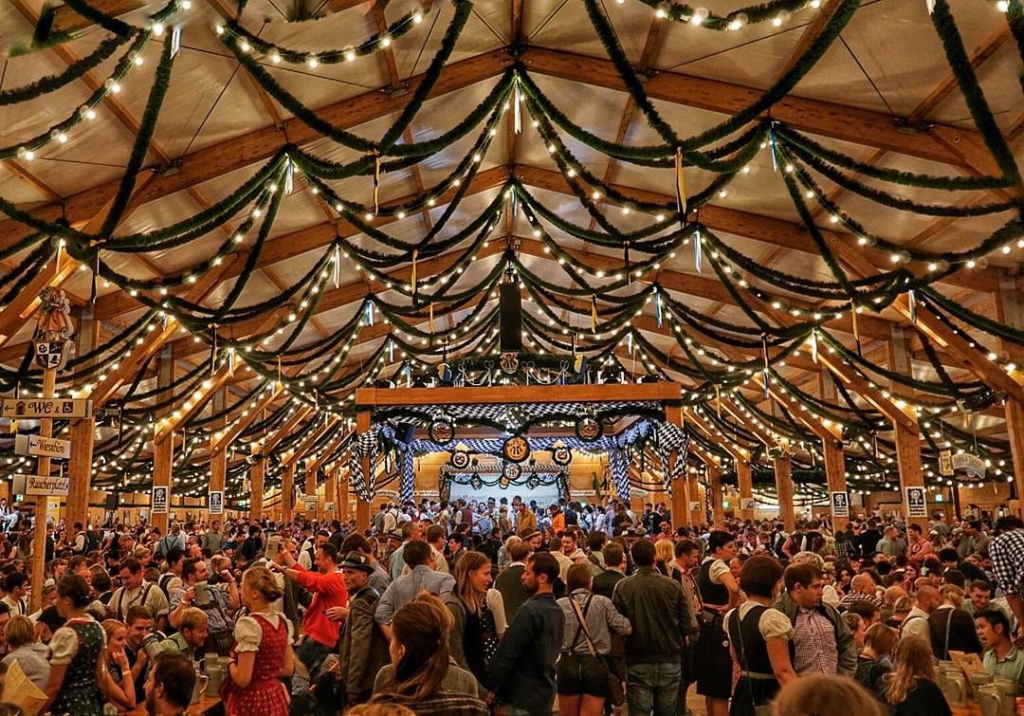
Larger-scale festivals can reshape cities on a much grander level. In Munich, Oktoberfest transforms public squares into sprawling beer tents, with live music, traditional Bavarian dishes, and lively crowds filling every corner. The city temporarily adapts — transport schedules shift, roads are rerouted, and locals participate alongside tourists. Beyond celebration, Oktoberfest highlights how culinary traditions, regional history, and social identity intersect, creating an event that defines the city for weeks.Smaller festivals can offer equally rich insight. The Galway Oyster Festival in Ireland focuses on a single ingredient, yet its impact is immense. Streets are lined with tasting stalls, cooking demonstrations, and music, providing travellers with direct access to local culinary heritage. Here, the scale may be smaller, but the cultural resonance is no less powerful, showcasing craftsmanship, seasonality, and community pride.
Food as Cultural Lens
Culinary festivals are unique travel experiences because they require full immersion. Visitors navigate crowded streets, sample unfamiliar dishes, and engage in local customs. In Thailand, for example, Loy Krathong is primarily a cultural festival, yet temporary food fairs offer local snacks and sweets that deepen the sensory experience. Festivals allow travellers to see how food, celebration, and public life intersect, revealing the rhythms, values, and stories that define a city.
Timing is crucial. Attending a festival means witnessing a city at its peak energy — streets pulse with anticipation, aromas, music, and laughter. Public spaces are reconfigured for the event, creating environments that reveal the city’s adaptability and community engagement. Culinary festivals are immersive laboratories where culture and cuisine coexist.
Beyond the Event
When the festival ends, the city returns to routine. Streets are cleaned, tents dismantled, and crowds disperse. Yet the memory of intensity lingers in both residents and visitors. Culinary festivals show how cities can flex, celebrate, and reveal their character through food.
For travellers, these events go beyond tasting; they are lessons in culture, social cohesion, and urban life. Every bite, every stall, every communal ritual provides insight into local traditions. Beyond the plate, festivals transform travel into participation, offering experiences that linger long after the streets have emptied.