Across Europe, the long lunch endures as a quiet act of cultural preservation, where time slows, conversation deepens, and the day is measured not in tasks completed but in moments shared.
At half past one, the tempo changes. The rush thins. Tables fill. Glasses are set down with intention rather than haste. In much of Europe, lunch is not an interruption of the day but its centre of gravity.
In cities such as Bologna, Lyon, and San Sebastián, the midday meal retains structure and ceremony. Menus are read carefully. Courses arrive sequentially. Conversation unfolds without the persistent glance at a clock. Even in larger capitals like Paris and Vienna, where global business culture presses more insistently against tradition, the long lunch has adapted rather than disappeared.
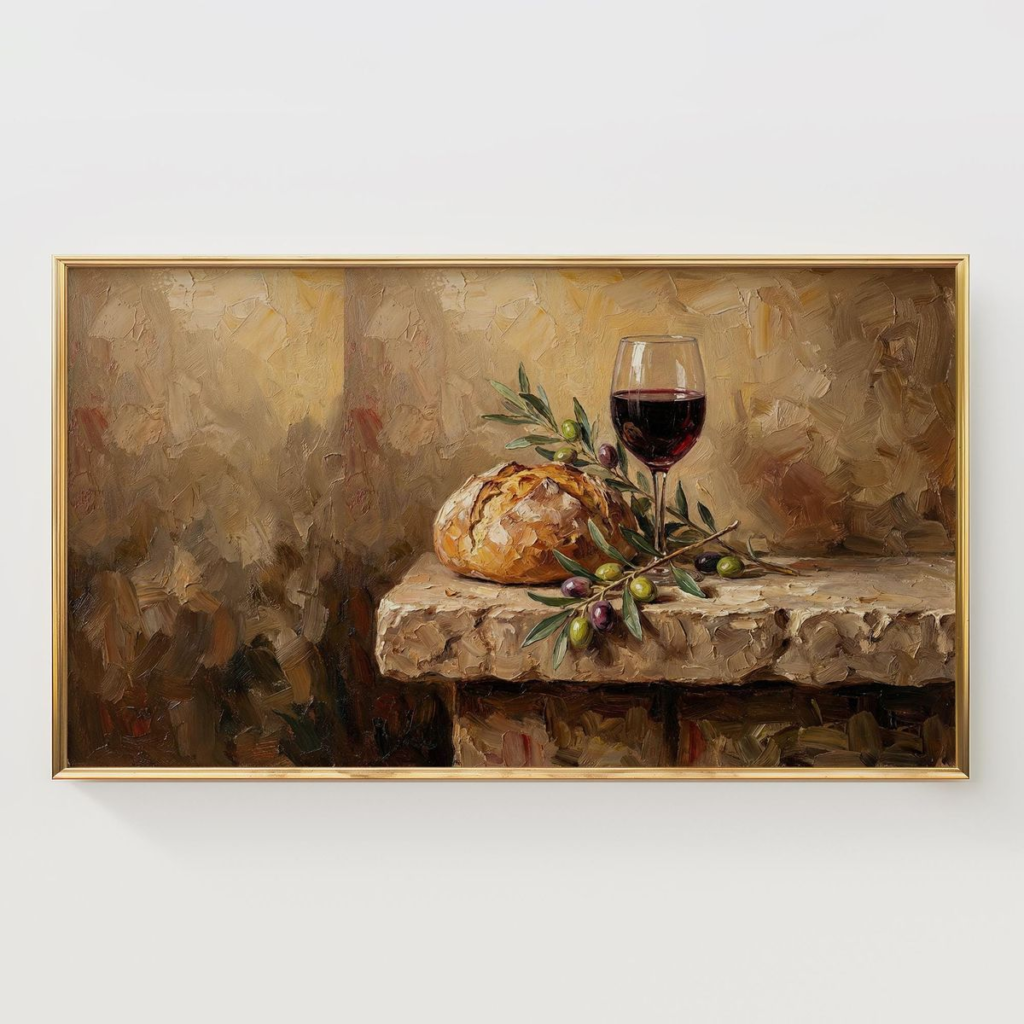
The distinction lies in intention. In many modern work cultures, lunch has become functional. It is eaten quickly, often alone, fitted into the narrow margins between obligations. By contrast, the European long lunch insists on presence. It is structured around sitting down, being served, and remaining there. Bread arrives without being requested. Water and wine share equal legitimacy. There is a beginning, a middle, and a deliberate end.
The Social Architecture of the Table
Historically, this ritual grew from agricultural rhythms and urban trade cultures, when midday heat or market schedules demanded pause. Over time, that pause evolved into a social institution. The table became a site of negotiation, storytelling, and continuity. Families gathered. Colleagues resolved disputes. Friendships were maintained not through efficiency, but through duration.
In Lyon, traditional bouchons continue to serve fixed-price menus that encourage diners to remain rather than rotate. In Bologna, neighbourhood trattorias fill with regulars who treat the daily menu as both sustenance and conversation starter. In San Sebastián, even a weekday meal may extend across multiple small plates, each punctuating dialogue rather than interrupting it. The meal is communal architecture, quietly reinforcing belonging.
Resisting Acceleration
The long lunch now exists in tension with contemporary life. Remote work, compressed schedules, and tourism economies have shortened expectations. In commercial districts of Paris or Vienna, turnover can take precedence over tradition. Yet beyond the most visible streets, the older rhythm persists. Locals arrive knowing that a table represents an investment of time. They do not apologise for it.
This persistence reflects more than nostalgia. It signals an alternative philosophy of productivity, one that recognises restoration as integral rather than indulgent. To sit for ninety minutes at midday is not inefficiency; it is recalibration.
An Invitation to Linger
For travellers, the long lunch offers entry into a culture that cannot be experienced at speed. It requires surrendering the urge to optimise and accepting that an afternoon may unfold more slowly than planned. In return, it provides intimacy. Conversations deepen. Servers become storytellers. The city reveals itself not through monuments but through murmured exchanges and shared dishes.
In a continent shaped by centuries of upheaval and reinvention, the long lunch remains remarkably intact. It is neither spectacle nor performance. It is simply the belief that some hours deserve protection. And in protecting them, Europe preserves something quietly radical: the right to linger.