From the ceremonial tea houses of Kyoto to Moroccan mint tea, Assam chai in India, and the refined afternoon tea of London, exploring how tea drinking connects people, traditions, and travel experiences worldwide.
A World in a Cup
Tea is more than a beverage; it is a lens into culture, daily rhythm, and social interaction. Across continents, the way a community prepares, serves, and drinks tea reflects history, values, and hospitality. `ravellers who pay attention to tea rituals discover not only unique flavours but also insights into how societies structure time and gather around shared traditions.
In Kyoto, the Japanese tea ceremony is an art form. Matcha is carefully whisked, measured, and poured with deliberate precision. Every gesture, every pause, and every utensil carries meaning. Participating or observing the ceremony reveals an attention to harmony, respect, and mindfulness that permeates Japanese life. Here, tea is a vehicle for connection, meditation, and cultural storytelling.
Streets and Hospitality
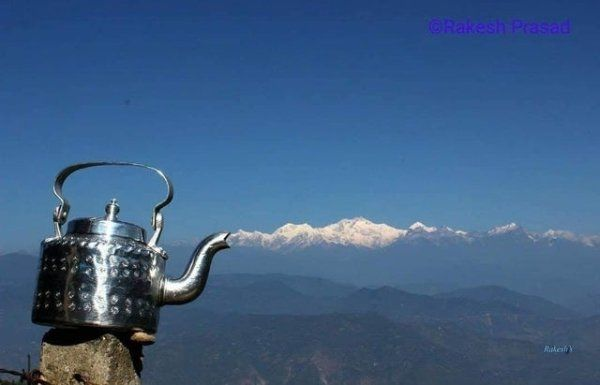
Tea is equally important in daily, informal life. In Marrakesh, mint tea is poured from a height into small glasses at bustling street stalls, markets, and family gatherings. The ritual is social, symbolizing welcome, respect, and community. Travellers are often invited to share a glass, an act that opens doors to conversation and local insight. Unlike the ceremony in Kyoto, Moroccan tea culture is lively, communal, and deeply embedded in public life.In India, Assam chai is everywhere — railway platforms, roadside stalls, and homes alike. Spiced, sweetened, and boiled with milk, it fuels early mornings, long commutes, and social interaction. Each cup carries local flavour, seasonal variation, and stories of trade and agriculture. Observing how tea permeates daily routines provides travellers with a subtle understanding of the city’s pace, priorities, and community life.
Afternoon Rituals and Global Influence
Even in the United Kingdom, tea is central to culture. London’s afternoon tea blends leisure, conversation, and culinary delight, offering an experience that is both social and refined. Scones, sandwiches, and tea varieties create a ritualized pause in the day, revealing how a simple drink can structure urban life and define hospitality. While afternoon tea is more formal than street or ceremonial tea elsewhere, it similarly connects people to place, history, and social rhythm.
Tea rituals show that travel is not only about sightseeing, but also about participation. From quiet contemplation to lively street exchanges, tea teaches travellers to observe, engage, and reflect on how a society organizes itself around its routines.
Engaging with tea culture transforms ordinary travel into an immersive experience. Each sip tells a story — of geography, climate, trade, history, and social norms. From Kyoto’s serene tea rooms to Marrakesh’s vibrant streets, Assam’s bustling chai stalls to London’s elegant parlours, tea links the everyday with the ceremonial.
For travellers, understanding tea rituals becomes a way of understanding a city or country. It is sensory, social, and cultural. Tea teaches patience, observation, and appreciation — offering a quiet yet profound entry point into the life, rhythm, and soul of a place. Through tea, travel becomes richer, slower, and infinitely more connected to the people and culture that sustain it.