Understanding a city through where people sit, linger, argue, write, and watch the world pass.
Before you understand a city’s monuments, you notice where people pause. Not the landmarks marked on maps, but the small tables arranged along pavements, in courtyards, beneath awnings, beside busy intersections. The way chairs face outward or inward. The length of time a single cup occupies a table. Cafés are rarely treated as infrastructure, yet they shape how urban life unfolds. To travel through a city attentively is to observe where its people choose to sit.
Mapping Social Space
Cafés reveal how public and private life intersect. In some cities, they function as extensions of the home; in others, they act as informal offices or civic forums. In parts of Latin America, long conversations unfold over repeated refills, with little pressure to leave. In cities across East Asia, compact café interiors reflect density and efficiency, often blending minimal design with careful ritual. In North Africa and the Middle East, tea houses and coffee spots frequently operate as intergenerational gathering spaces, where time moves at a communal pace.
The traveller who pays attention begins to see patterns. Are tables arranged for solitary work or for group discussion? Is silence valued, or is conversation the defining feature? Does the café encourage movement, or does it invite stillness? These details form a social map, one that reveals habits of interaction more clearly than guidebooks can.
The European Coffeehouse Tradition
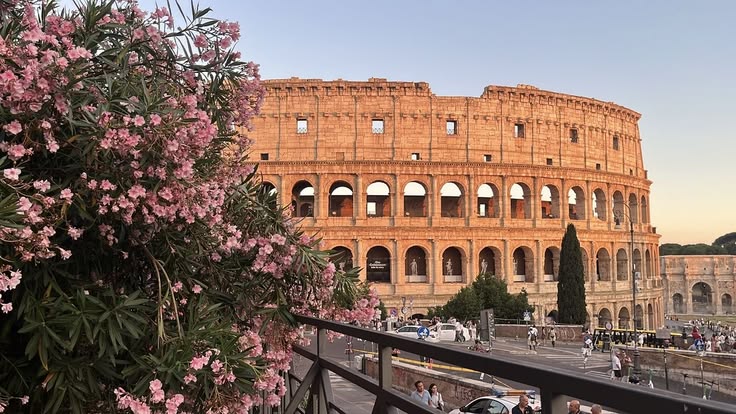
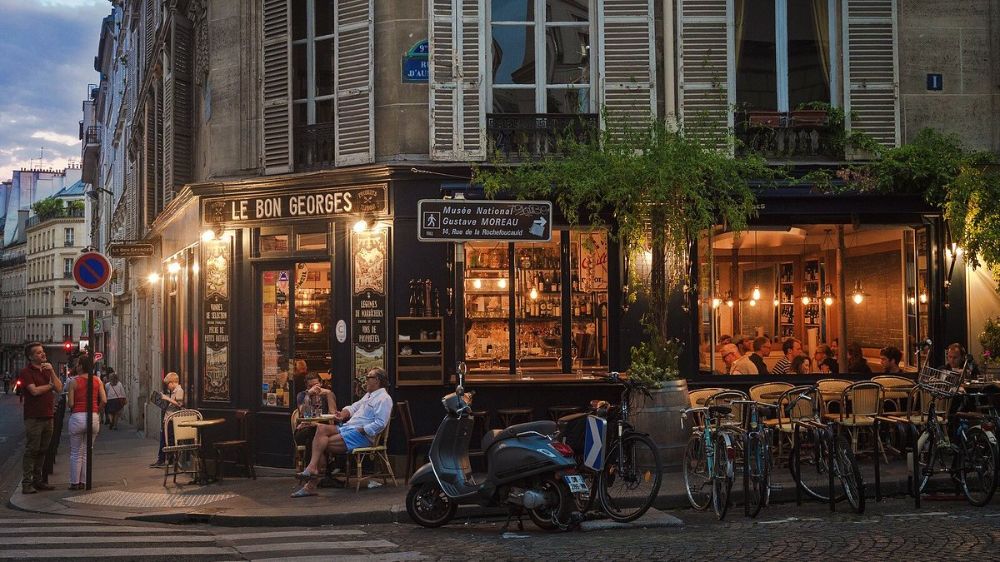
Nowhere is this mapping more historically visible than in parts of Europe. In Vienna, the coffeehouse has long been associated with intellectual exchange and extended reading sessions, where newspapers are provided and hours pass without interruption. In Paris, terrace seating frames the street itself as theatre, encouraging observation as much as conversation. In Rome, the rhythm differs again, with espresso consumed standing at the counter, brief but ritualised.
These variations are not incidental. They reflect broader attitudes toward time, productivity, and sociability. For a traveller, sitting in a café becomes less about refreshment and more about orientation. The surrounding behaviour offers cues about how the city organises its daily life.
Work, Leisure, and Visibility
In many contemporary cities, cafés also reflect economic change. Remote work has transformed them into flexible offices. Digital nomads seek reliable internet and long tables, while local patrons maintain established routines. In global hubs such as Buenos Aires or Seoul, cafés blend aesthetics with functionality, serving as meeting spaces, creative studios, and social stages.
This shift raises subtle questions about visibility and belonging. Who occupies space comfortably? Who moves quickly? Which cafés feel accessible, and which signal exclusivity? Travel becomes an act of observation not only of architecture, but of social dynamics unfolding in real time.
Sitting and travelling
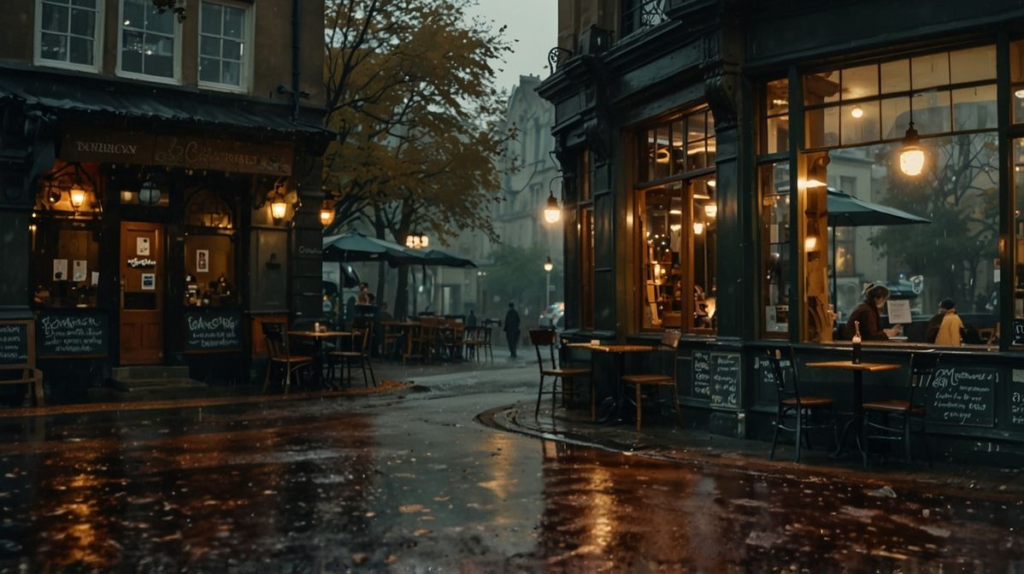
To sit in a café while travelling is to participate, briefly, in the city’s rhythm. It slows the pace of movement and replaces itinerary with attention. You notice how often people greet one another, how long they remain, whether they return daily. You learn the tempo of service, the volume of conversation, the balance between solitude and community.
Cafés may seem minor compared to museums or monuments, yet they offer a precise lens into local life. They reveal how time is valued, how space is shared, and how public life is performed. For the attentive traveller, they are not pauses between experiences. They are the experience itself.