Finding meaning in the spaces that rarely appear on the first page of a guidebook, where travel shifts from sightseeing to understanding.
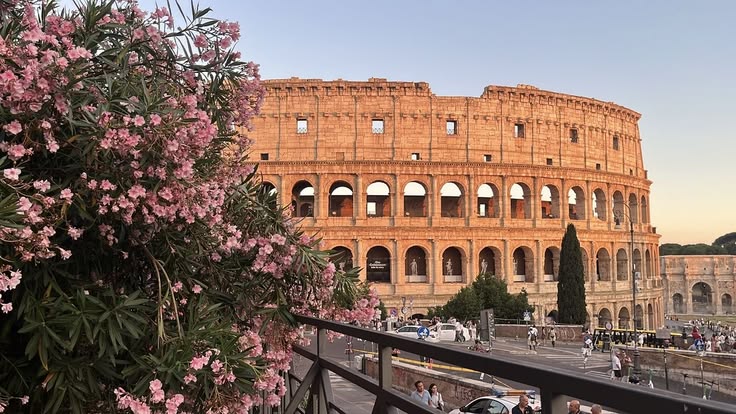
Most itineraries begin with landmarks. The cathedral, the gallery, the monument framed on postcards. These places deserve their reputation, and they often shape a city’s public identity. Yet somewhere between the major stops, travellers frequently encounter something quieter: a small museum they had not planned to visit.
It may be a preserved home on a residential street, a single-room maritime collection near a harbour, or a modest exhibition above a town library. There is no long queue to signal importance. You step inside out of curiosity rather than obligation.
Discovering the Texture of a Place
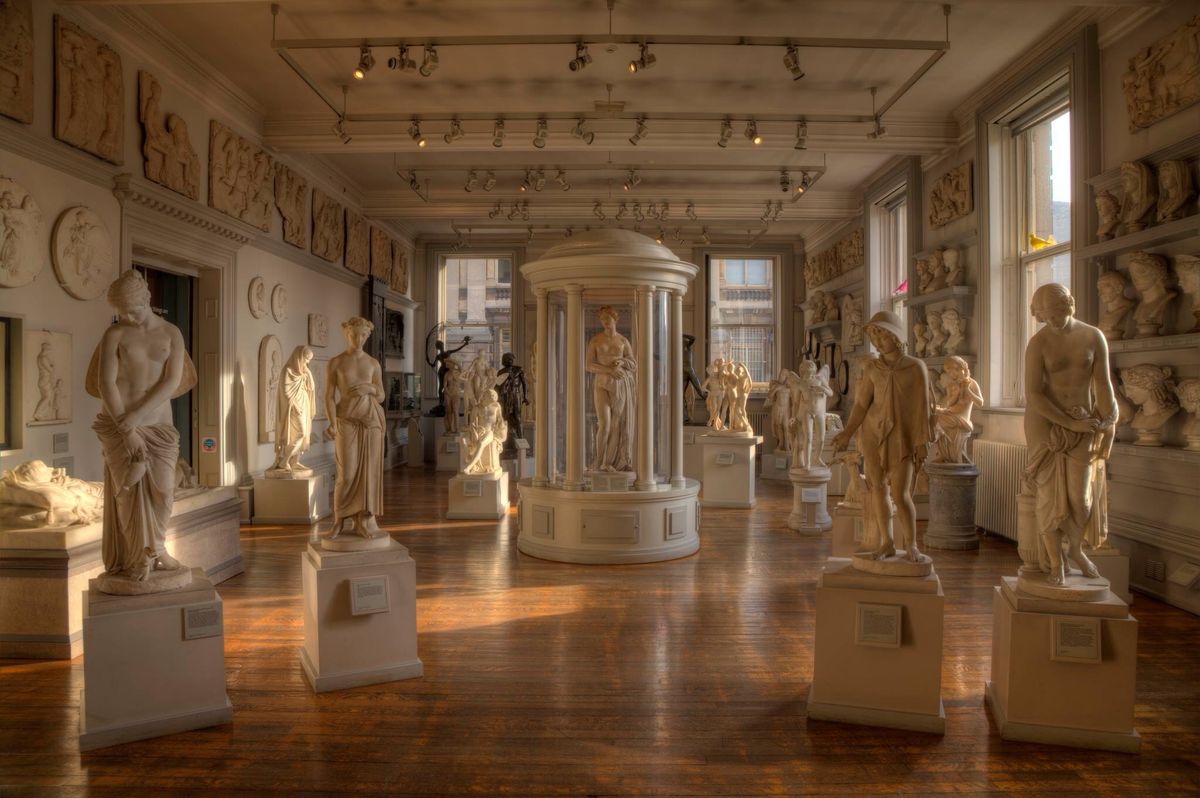
Large museums present history in sweeping arcs. They explain revolutions, artistic movements, and national milestones. Smaller institutions focus on detail. A local textile museum might display worn tools and unfinished cloth. A community archive may preserve letters written during migration. A former workshop can reveal how a trade shaped an entire neighbourhood.
For travellers, these details matter. They shift attention from spectacle to texture. You begin to see how ordinary mornings unfolded, how families earned their living, how seasons influenced routine. A destination becomes more than architecture and scenery; it becomes inhabited.
Understanding grows through proximity. Standing in a preserved kitchen or beside a hand-built fishing boat makes history tangible in a way that broad timelines rarely can.
The Gift of Slower Attention
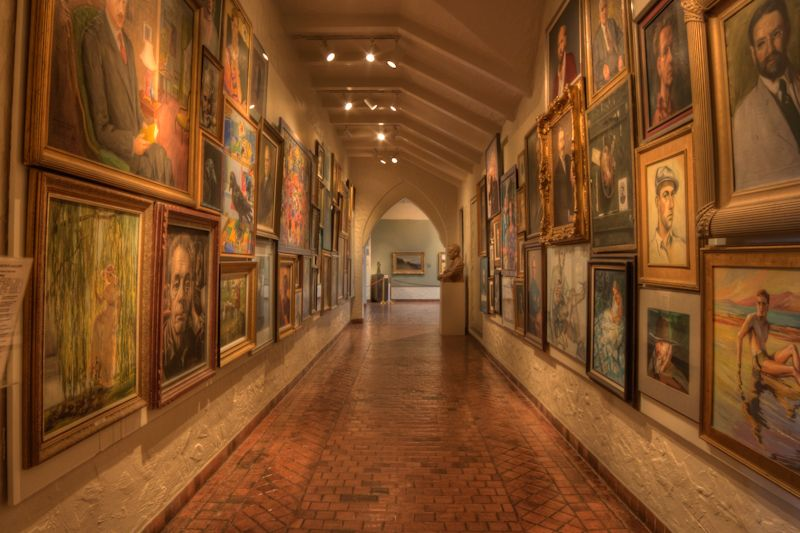
Small museums invite a different pace. There is usually no prescribed route and no pressure to move quickly. You can read every caption or sit quietly in a corner. Conversations with volunteers are common, and those conversations often carry insights unavailable in printed guides.
This slower rhythm can feel restorative during a trip filled with movement. After navigating busy squares and crowded attractions, a quiet exhibition room offers space to think. Travel becomes less about checking boxes and more about noticing.
The experience is rarely dramatic. It is steady and thoughtful.
Long after a journey ends, the memory that lingers is not always the most famous artwork or the tallest tower. It might be a diary entry displayed in careful handwriting. A photograph of a neighbourhood before redevelopment. A simple explanation of how a community rebuilt after hardship.
Small museums personalise travel. They remind visitors that every city or town is shaped not only by grand events but by individual lives. These institutions preserve fragments that could easily disappear, and in doing so, they deepen the traveller’s understanding.
To wander into one without planning is to accept an unscripted moment. At that moment, travel becomes quieter, but also richer.