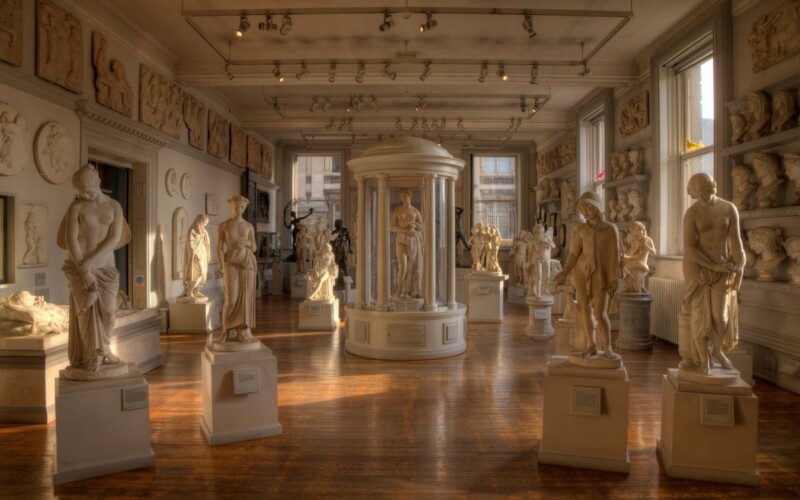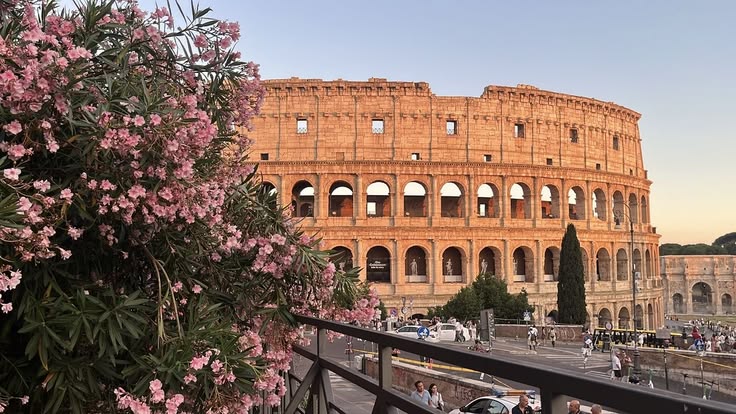
Travelling through cities where history is not staged for visitors, but integrated into daily life.
Some cities make their history explicit. They direct you toward monuments, heritage quarters, and restored landmarks that clearly signal what should be remembered. Others feel less arranged. You walk through them without immediate explanation, and only gradually realise that the past has not been separated from the present. It has been absorbed into it. In these places, history is not a curated experience. It is part of the city’s structure.
The City as Record
Every city carries evidence of what it has experienced, although that evidence is not always presented dramatically. Political change influences planning and architecture, economic shifts reshape neighbourhoods, and social movements redefine how public space functions. Over time, these transformations settle into the built environment and become part of its normal appearance.
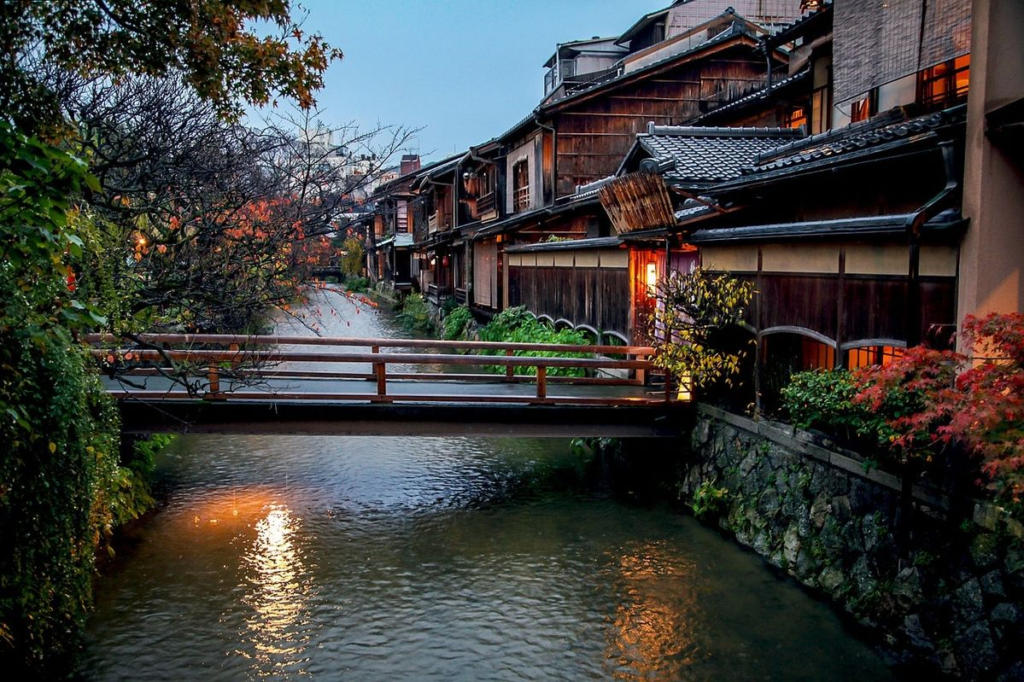
In Berlin, the legacy of division remains visible in the contrasts between districts and in subtle discontinuities in urban layout. In Sarajevo, repaired facades and contemporary storefronts exist within streets that carry memories of conflict yet continue to support everyday life. In Kyoto, traditional wooden townhouses remain active within a modern grid, showing how older forms can coexist with present needs. These cities have evolved, but they have not removed the earlier layers that shaped them.
History in Everyday Use
For travellers, this continuity changes the way a city is experienced. Instead of moving quickly between landmarks, attention shifts toward observation. Industrial warehouses are converted into apartments while retaining their structural character. Administrative buildings take on new civic roles without altering their external identity.
Public squares that once hosted political gatherings now serve as markets or meeting points, yet their physical layout remains intact. The archive is therefore not confined to museums or heritage zones; it exists in residential streets, transport networks, and commercial districts. The past remains accessible not through spectacle, but through everyday function.
Layers Rather Than Replacement
Urban development often implies demolition and redesign. However, some cities expand by layering rather than replacing. New construction rises beside older buildings, infrastructure improves without clearing entire neighbourhoods, and architectural styles from different decades stand side by side without attempting uniformity.
This layered growth creates continuity that is difficult to manufacture. Residents move through environments shaped by multiple periods at once, and visitors encounter a city that feels stable rather than curated for display. The depth comes not from dramatic storytelling, but from visible coexistence.
Reading the Living Archive
To travel through such a city requires a slightly slower pace. The most revealing details are rarely monumental; they are structural and cumulative. Street layouts may reflect earlier planning systems, while building materials hint at different economic phases.
The archive “breathes” because it remains in use, supporting daily routines rather than being sealed away. Businesses operate within it, families live within it, and public life unfolds within it. For travellers, this offers engagement that is quieter but more enduring, as the city presents itself not as a preserved chapter of the past, but as an ongoing document still being written.