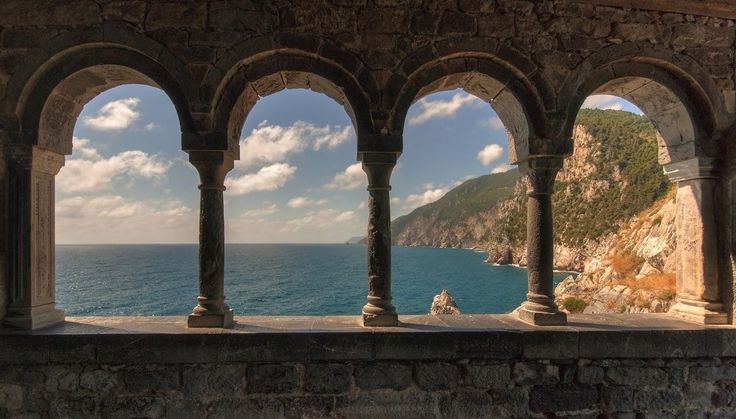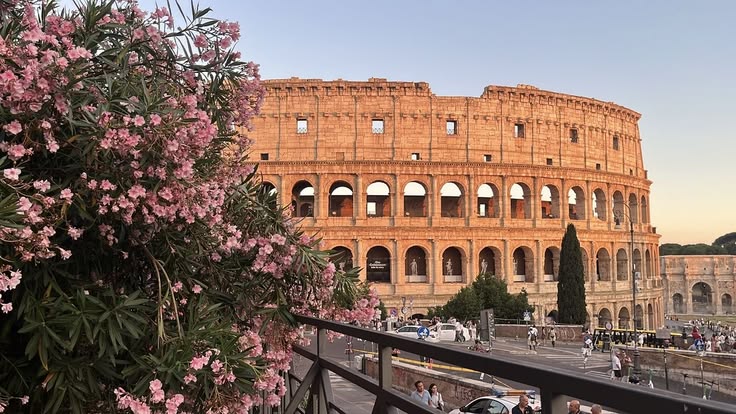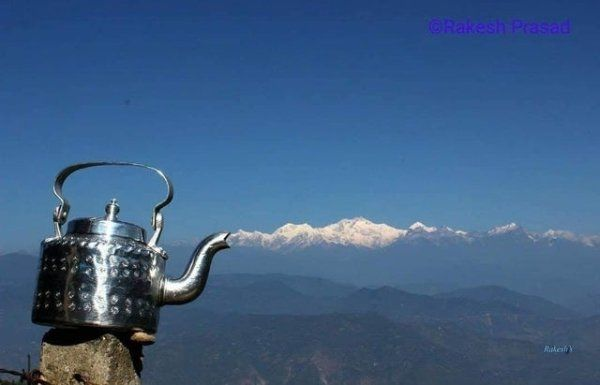
The most enduring travel memories are not objects we purchase, but fleeting moments, sensory fragments, and encounters that refuse to be packed away.
The Ritual of Buying Memory
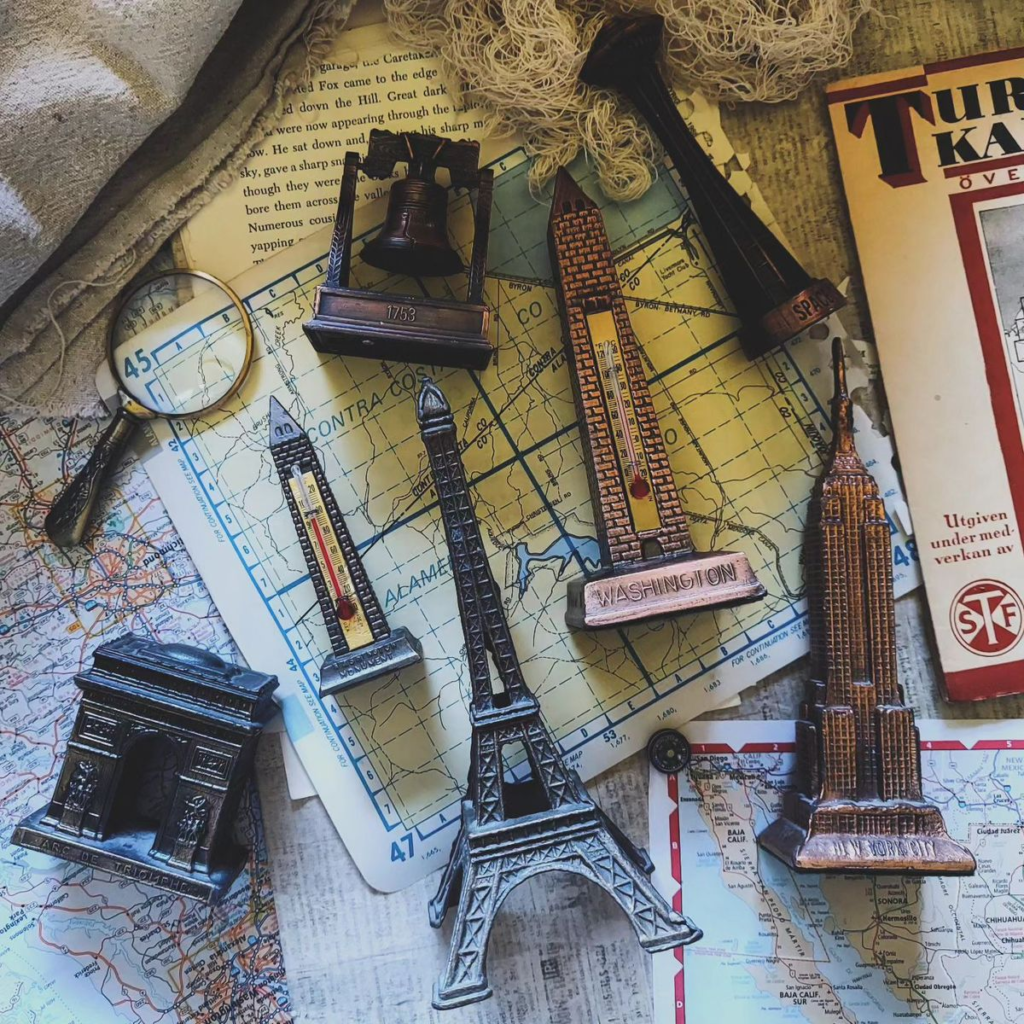
Before returning home, many travellers perform a familiar ritual. We browse markets for handcrafted ceramics, postcards, spices, or textiles that promise permanence. Souvenirs offer reassurance. They suggest that experience can be condensed into something tangible, something we can hold long after the journey ends. A magnet becomes proof. A bracelet becomes a story. Yet even as we wrap these objects carefully in tissue paper, we sense that they are only partial translations of something far more expansive.
The Moments That Resist Ownership
What lingers most powerfully after a trip is rarely what we purchased. It is the warmth of late afternoon light on unfamiliar streets. The scent of bread drifting from a bakery before sunrise. The sound of distant traffic merging with foreign conversation from a nearby table. These details resist preservation because they are experiential rather than material. They exist only in the body’s memory. A sudden change in air temperature as evening falls. The echo of footsteps in a quiet alley. The way a city hums differently at dawn than at midnight. None of these can be wrapped or declared at customs, yet they embed themselves far deeper than any object.
The Weight of Intangible Things
Travel reshapes perception in subtle ways. A conversation with a stranger on a train may shift perspective more than a museum visit. A moment of disorientation in an unfamiliar neighbourhood can heighten awareness and vulnerability. Even small discomforts become meaningful over time. They expand tolerance, curiosity, and resilience. These intangible souvenirs accumulate quietly. They influence how we interpret our own cities upon return. They alter what we notice at home. Long after the purchased keepsakes fade into background décor, these internal imprints continue to inform how we see the world.
Carrying What Cannot Be Packed
To travel well is to accept that not everything valuable can be contained. Photographs capture surfaces, but memory carries atmosphere. Objects commemorate location, but experience alters perception. The most enduring souvenirs are often those we did not intend to collect: a shared laugh despite language barriers, the comfort of anonymity in a foreign crowd, the realisation that unfamiliar places can feel momentarily intimate. These are the fragments we carry without weight. They require no shelf space, yet they return unexpectedly, triggered by scent, sound, or light.
In the end, what does not fit in a suitcase often shapes us more profoundly than what does. The true keepsakes of travel are not displayed; they are absorbed. And unlike objects, they do not gather dust. They continue to live, quietly influencing who we become long after the journey has ended.