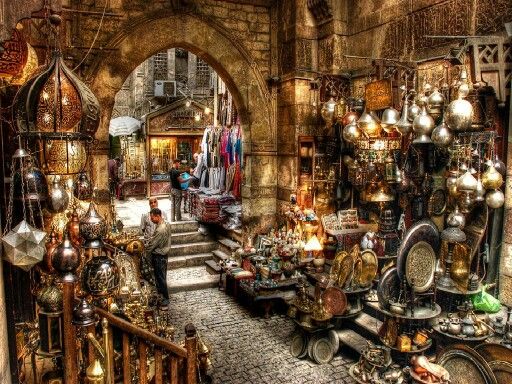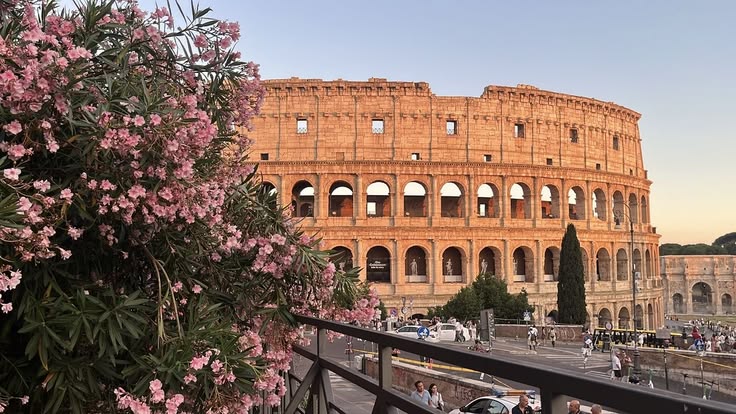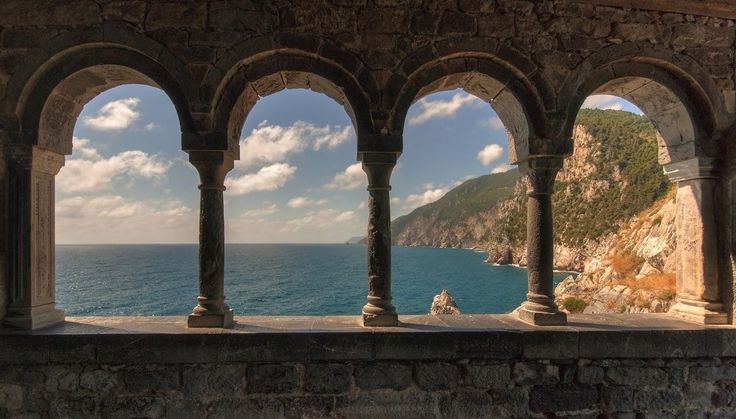
Travelling through cities shaped by power long after the empire itself has faded.
Empires rarely disappear completely. They withdraw politically, dissolve administratively, or fragment into nations, yet the spaces they shaped remain. For the traveller, this becomes visible not in grand historical summaries, but in street layouts, institutional buildings, ports, railway lines, and even language. Long after authority has shifted, the physical imprint of power continues to structure daily life.
Architecture of Authority
Urban form often reveals the priorities of former rule. Administrative centres were placed strategically, ports were expanded for trade, and wide boulevards were introduced to signal order and control. These decisions reshaped cities in ways that remain visible centuries later.
In Lisbon, maritime wealth connected to overseas territories influenced architectural ambition and urban scale. In Istanbul, Byzantine and Ottoman legacies coexist in domes, markets, and civic complexes that continue to define the skyline. In Hanoi, French colonial planning introduced formal avenues and administrative quarters that still guide movement through the city. Each example reflects a period of concentrated power that outlived its political framework.
Systems That Remain
The afterlife of empire is not limited to buildings. Infrastructure often persists even when ideology changes. Railway networks constructed to facilitate extraction now serve domestic travel. Legal and educational institutions continue operating within frameworks introduced generations earlier.
Across Latin America, central plazas reflect Spanish colonial design principles, placing civic and religious authority at the core of urban life. In parts of South Asia, railway stations built under British administration remain vital transport hubs. In North Africa, administrative buildings from French governance still anchor city centres. These systems have been adapted, but their original logic remains embedded in daily routines.
Adaptation and Reinterpretation
Cities are not passive inheritances of empire. They reinterpret what they inherit. Former government residences become museums or cultural institutions. Colonial warehouses are converted into galleries and markets. Military compounds transform into residential districts.
This adaptation complicates the travel experience in productive ways. What once symbolised dominance may now represent resilience or reinvention. The meaning of space shifts, even if the structure itself remains. Travellers encounter buildings that carry layered histories, some visible, others implied.
Reading Power in the Present
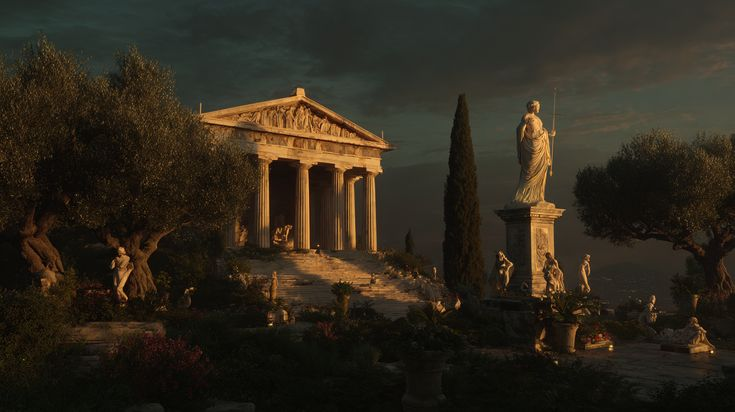
To travel through a post-imperial city is to observe how power reorganises space over time. The monumental may attract attention first, but subtler details often reveal more: street names that have changed, statues that have been removed or recontextualised, districts that signal former hierarchies.
The afterlife of the empire does not present itself as a finished chapter. It shapes the present quietly, influencing how cities function and how identities are formed. For travellers, recognising these continuities adds depth to observation. A city becomes more than its attractions; it becomes a record of authority, resistance, adaptation, and continuity, all coexisting within the same streets.